Gate sag looks small initially, a latch that quits capturing, a space that opens at the top corner, a scrape throughout the driveway. Left alone, it intensifies. The message loosens, the hinge splits grain on a timber stile, and the latch side drags up until someone shoulders it in stress and fractures a picket. Experienced fence builders treat droop like a leaking roofing system. Repair it at the resource, determine twice, and reinforce where time and gravity always win.
Why gates go out of square
Every gateway is a basic device antagonizing gravity. It hangs from one side, cantilevered from the joint blog post, with weight drawing the latch side down. If the joint article moves a quarter inch, the lock can go down half an inch across a 42 inch span. The issue is rarely just the leaf of eviction. The support system, from soil to bolts, has to stay true.
Seasonal wetness relocations wood throughout the grain. Sunlight chefs the south face of a panel, drying one side much faster than the various other. Frost heave lifts grounds that were established superficial or set in clay without correct water drainage. Wind lots hammer broad personal privacy gateways. Equipment loosens. Cheap screws crush fibers and back themselves out. Vinyl structures sneak if the interior support is missing. Also well built gates require tuning after their first year as materials settle.
Fence home builders that have gauged thousands of sags know to divide signs from causes. An angled support will draw a fallen leave back to square, however if the joint post totters, you have a short-term bandage. An excellent article with flimsy hinges stops working just as swiftly. The craft is in connecting each visible defect to the root condition that created it.
How pros identify droop in ten mins or less
The first see is the most valuable. Experienced Fencing Contractors do not begin with a tool, they start with monitoring. I teach new installers to stand still for one min and check out the scene.
- Sight down both messages from the driveway, then from inside the backyard. Make use of the edge of a smartphone as a rough square, or a 4 foot degree if you have it. A plumb joint article with a sagging lock side points to eviction leaf or hardware. A leaning hinge post is the very first fix. Close the gate gradually and view the lock. If it meets high or low, gauge the decline from hinge side to latch side at the top rail. A 3/8 inch drop across 36 inches is recoverable with a support and pivot adjustment. More than 3/4 inch often signifies message activity or architectural failure in the rails. Grab the lock stile and lift. Flex that recoils informs you the structure is racking. Movement that includes the hinge post implies the ground or the hinge fasteners are failing. Inspect joint screws or screws. Little wood screws in softwood often wallow out. Through bolts with backing plates seldom take out unless wood is rotten. Probe the base of timber articles with an awl. Soft fibers just over quality usually show fungal degeneration. On metal, try to find orange corrosion streaks at welds and at the ground line.
Those 5 checks frame the fixing plan. Fence Installers who avoid this step wind up going after alignment for hours without solving the tons path that made the sag.
Anatomy of a square gate that stays square
A gateway is a rectangle dealing with to end up being a parallelogram. The square endures via triangles and stiffness. Image an optimal timber pedestrian entrance, 42 inches large and 6 feet high. The joint stile is full size, the latch stile suits, and 2 rails join them at the top and bottom. If that were all, the rectangle would certainly rack whenever somebody leans on it.
Add a diagonal that ranges from the bottom of the joint side to the top of the lock side, and the practices transform. Packed by gravity, that diagonal goes into tension and resists the urge to drop. Building contractors use steel cable television sets, 1x steel bar, or a timber brace removed of dense, straight supply. Cord offers adjustability with a turnbuckle, lightweight, and marginal disturbance with eviction's appearance. Steel bar uses a set-and-forget triangular truss. Timber can function if the supply is completely dry and fastened well, but it does not have the fine tuning you get with a turnbuckle.
Hinges matter just as much. Strap joints spread load over more surface area on timber. Ball-bearing butt hinges reduce friction and exhaustion on heavier entrances and metal frames. On plastic, hinges should secure to interior aluminum support, not just a hollow extrusion. On chain web link, the frame needs diagonal supporting also, frequently through a bonded corner support or a stress rod in between corners.
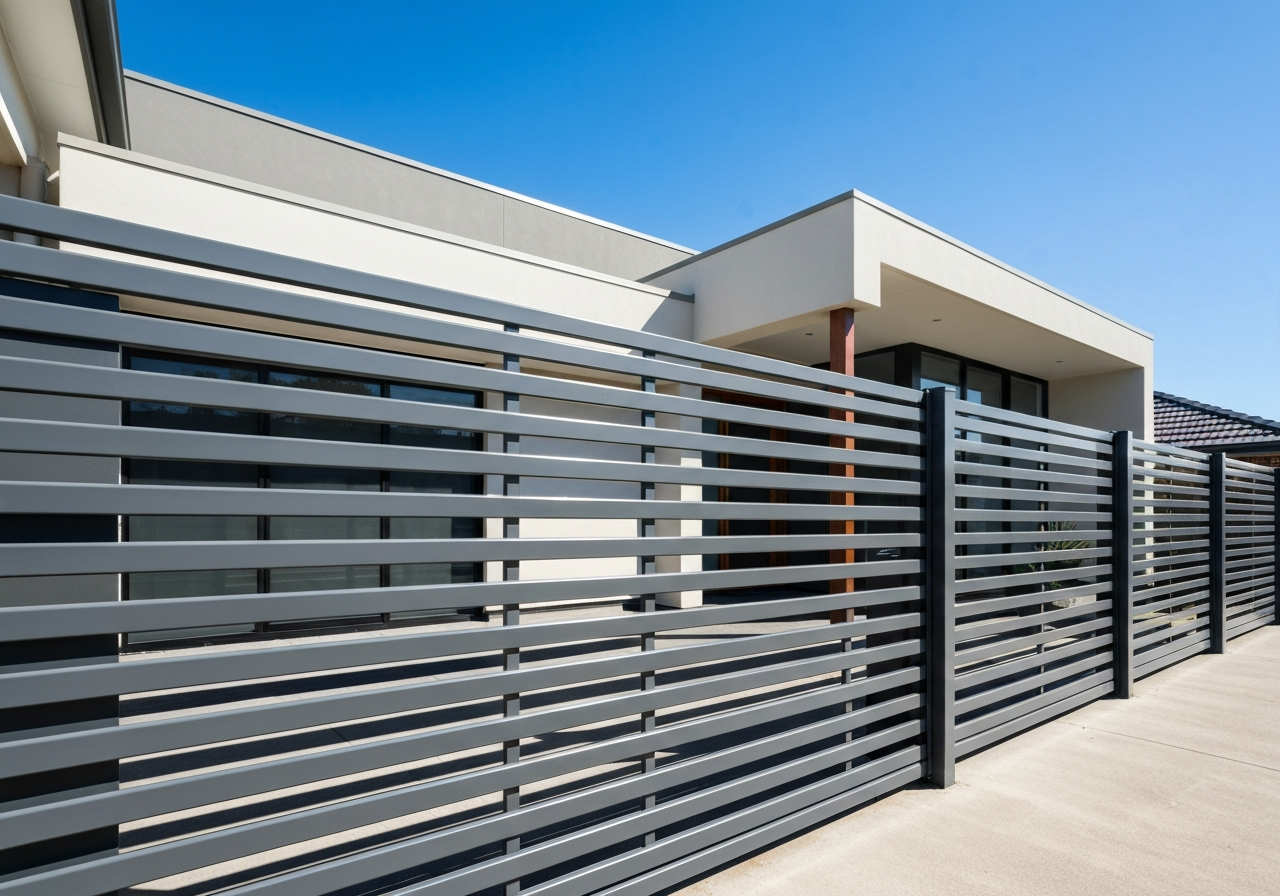
Stiffness without proper bolts stops working quickly. Coarse-thread exterior structural screws or via bolts resist withdrawal far better than spending plan deck screws. Galvanized or stainless bolts match equipment, minimizing galvanic deterioration. Anodized light weight aluminum items need to not take steel screws that will hemorrhage rust.
The hinge article brings everything
Many property owners criticize a dropped lock when the actual bad guy is buried in the soil. The joint post is the fulcrum, the caretaker of degree and plumb. Fence builders think of a blog post not equally as a topfencing.com.au fence contractor Melbourne stick in the ground, however as a foundation system tuned to dirt, frost, wind, and entrance weight.
In sandy loam, a 4x4 wood hinge post that sustains a 4 foot wide cedar entrance can make it through years if it is buried 30 inches and framed in compacted crushed rock. In heavy clay, that same blog post can turn and heave in a single winter season unless the opening allows drain and the backfill damages the suction that clay puts in when it freezes. On driveways subject to rake effect or distribution, 6x6 articles dampen lateral lots better. Steel blog posts, 2 3/8 inches in size with a 0.120 inch wall, set in concrete and braced to an adjacent line post, bring chain link and steel-framed gateways for decades.
Depth is not a solitary magic number. Pros deal with one third of the above-ground height generally of thumb, after that adjust for frost line and wind direct exposure. In a frost zone, all-time low of the ground have to sit listed below the regional frost deepness, whether that is 24 inches or 48 inches. Concrete collars formed like mushrooms invite frost to get hold of and lift. A smooth-sided pier or a crushed rock backfill allows frost to move past. In wet pockets, an 8 inch layer of compressed 3/4 inch clean stone under the footing loses water and tenses the base.
Fence building contractors likewise think of exactly how a message leaves the ground. Timber that remains saturated near quality deteriorates where oxygen and fungis get to it. Setting timber blog posts in concrete without a cap or a crown commonly catches water versus the fibers. Wise Fencing Contractors crown the concrete to lose water far from the message, or miss concrete for crushed rock in timber constructs, using limited compaction and a ground kind to maintain shape. For steel messages in concrete, they isolate dissimilar steels and seal cut ends.
Hardware that holds alignment
A sagging gateway often starts with innocent, small joints. A 30 pound gateway hung with 3 inch black attractive hinges from a big box shop will last a summertime. The very same entrance with a 10 inch galvanized strap hinge through-bolted with carriage screws and washers will certainly last years. Scale of hardware to tons is non-negotiable.
Adjustable joints deserve the cash. On wood, a hefty flexible J-bolt joint provides numerous planes of modification - in, out, and height - which lets you deal with for post changes without rebuilding the leaf. Ball-bearing barrel joints, ranked for 300 to 600 pounds, make extra-large driveway gateways swing quickly even after ten thousand cycles.
Latches are typically overlooked as positioning devices. A cane bolt pinned to concrete keeps a dual gateway lined up via windstorms. A gravity lock with a strike that uses vertical and side slop provides margin as seasons move the structure. Magnetic latches help on plastic where racking pressures must not stress the material.
Every fence installer I value usages exterior-grade architectural screws or screws with washing machines where wood can squash. Screws attack fibers and stand up to pullout better than nails. Where look matters, trim-head screws in stainless assimilate while still supplying securing force.
Pulling an entrance back to settle with control
When a fallen leave itself is out of square but the article stands plumb, the fastest improvement is to construct or re-tension the angled. This can be as subtle as 2 turns of a turnbuckle.
- Set two momentary shims under the latch side to hold the preferred elevation. Shut eviction against the lock article or a mock stop so you can see the margins you want. Anchor the cable or bar at the lower hinge-side edge and the upper latch-side corner. Tighten up progressively, alternating sides if utilizing a bar with lag eyes. View the void on top and along the lock stile adjustment with each quarter turn. Stop when the latch catches easily without lift. Over-tightening can bow the rails, so move in tiny increments. If the frame creaks or fibers press around bolts, back off and enhance the connection points with backing plates or bigger screws.
On timber, I favor to add a steel angle at the top lock edge as insurance coverage. A 6 inch galvanized angle with four architectural screws on each leg secures the edge. On chain link, a corner support package modifications the geometry from a saggy rectangle to a truss. For vinyl, the diagonal have to tie right into internal light weight aluminum or steel support. If there is none, the only sincere fix is to retrofit reinforcement or change the leaf with a reinforced frame.
When the message is the problem
A sturdy leaf held on a roaming blog post is a heartbreak, since you can make it lock for a week and enjoy it wander again. The repair can be medical or wholesale.
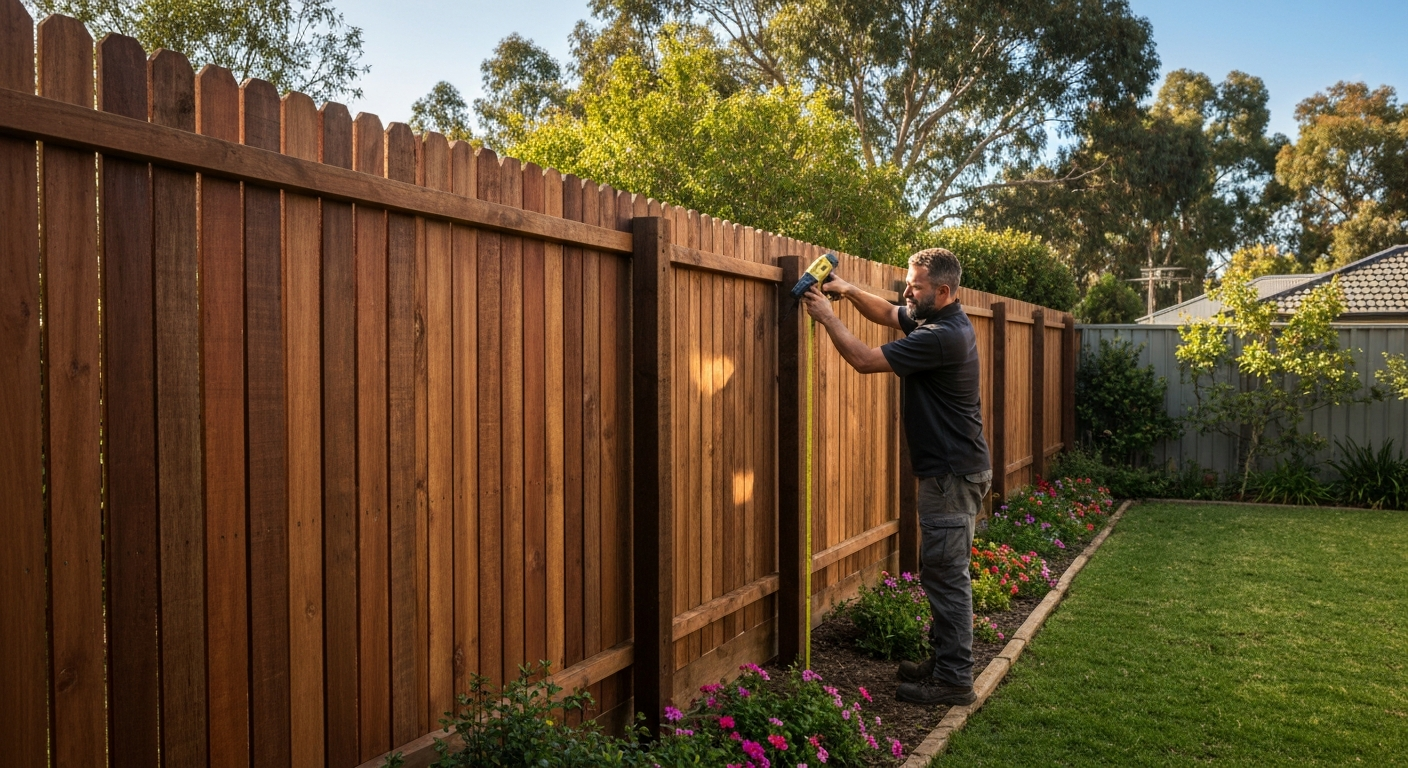
If the post is a little out of plumb but still tight in the ground, you can occasionally cheat placement with hinge adjustments and a shim under the lock. Increase the reduced hinge with a hefty washer behind the strap. Move a flexible J-bolt out a hair to bring the leading corner up. This is triage, not a cure.
If the message moves when you rock eviction, reset it. I excavate on the tons side, cost-free the message from concrete if existing, and drive short-term dental braces to hold plumb in 2 instructions. When I put new concrete, I bell the base slightly below frost and maintain the sides smooth. Two 2x4 dental braces pinned with risks hold it real until the remedy reaches working stamina. In gravel set systems, I portable in lifts of 6 inches. That means shovel, tamp, check plumb, repeat, until the top. Perseverance here repays with years of peaceful swings.
On wood messages with degeneration at grade, the straightforward course is substitute. Sleeve systems exist, however they push load into jeopardized fibers. A 6x6 upgrade at the hinge placement adds stiffness and durability to a line of 4x4s without interfering with the fence's appearance if outlined cleanly.
The special case of dual gateways and drive entries
Two leaves that meet in the center increase the means to fail. Wind pushes them with each other or pries them apart. Vehicles bump cane screws. Frost relocates the facility meeting factor relative to each post.
Fence contractors that hang dual gateways established the center stop initially. That may be a decline rod receiver pierced into a concrete pad, a steel saddle repaired to a paver base, or a buried steel pipeline sleeve set in concrete 12 to 18 inches deep. The receiver solutions the last locked elevation. Each fallen leave is then hung to meet that quit with equal margins.
For gateways bigger than 6 feet per leaf, I treat them like small bridges. I specify steel frames, ball-bearing rest on steel or 6x6 blog posts, and cross supporting in both leaves. A mid-span horizontal brace lowers flutter. On extremely broad spans, an above cable between posts with a vertical wall mount at the latch maintains the pair from yawing out of plane. It is not quite, yet it conserves repair services on barn access where kind complies with function.
Automated driveway gates include pressures via openers. The opener arm uses torque both opening and holding shut. Posts must endure that cyclic load. Right here, a Fence Contractor utilizes much deeper piers, commonly 12 inches diameter and 48 inches deep or extra, with rebar cages and anchor screws readied to spec. Joint option jumps to heavy, greasable units with published tons ratings, not attractive straps.
Material-specific tactics
Wood relocates more than steel. Plastic creeps with warmth. Chain link bends deliberately. Each material household requests its very own strategy.
Wood: Pick dry, straight stock for rails and stiles. If you improve website, predrill for bolts, utilize exterior adhesive on joints, and seal reduced ends. Cedar is light and steady, however soft. Pressure-treated yearn brings load, yet spins as it dries otherwise constrained. Oak is solid but heavy. A well developed wood gate has a steel diagonal and metal-reinforced corners. Joints must be band or butt with via screws. Keep all-time low of the leaf a minimum of 2 inches off quality to stay clear of wicking moisture.
Vinyl: Rely upon inner aluminum for strength. If a vinyl gateway lacks reinforcement in the rails and stiles, it will certainly sag. Usage pivots that clamp to or screw right into the steel, not simply the plastic. Avoid overtightening that squashes vinyl wall surfaces. A metal insert within the latch stile fights sneak on warm days. Make peace with expansion spaces. They are not flaws, they are allowances.
Chain web link: The classic structure is rounded steel tube with bonded or secured edges, hung on pushed steel or flexible iron joints. Diagonal tension rods or bonded gussets are the remedy for racking. For commercial chain web link, I hang leaves on 3 inch routine 40 messages with hefty hinges and include drop poles that pin right into steel receivers, not simply drilled holes in asphalt that wallow out.
Ornamental steel or light weight aluminum: Lots of premade panels are beautiful yet behave like ladders, rigid in one dimension, flexible in an additional. Hinges should place to solid metal on both sides, with backer plates or bonded tabs. Aluminum is light, so it resists sag from weight, but its softness needs bigger bearing surfaces under bolts. Powder layer requires defense during boring. Stainless fasteners near light weight aluminum take advantage of nylon isolation to reduce galvanic action.
Soil, weather, and the perseverance to wait a season
I have actually reconstructed completely square gateways for clients that recalled six months later on with the exact same problem. In each situation, the ground was telling us a story we disregarded. In clay-rich Minnesota backyards, freeze-thaw can lift a message 2 inches, after that drop it unevenly. In coastal areas, salt discovers every unguarded steel face and grows blooms of corrosion that secure hinges or eat screws. In the high desert, sun bakes south encounters and inspects wood.
Good Fencing Installers adapt. In frost areas, I run posts listed below frost, use crushed rock collars or smooth-sided kinds, and keep water streaming far from the base. In coastal air, I define stainless or heavy galvanizing, and wash hardware after mount if the residential property rests within a couple of blocks of browse. In hard sunlight, I shade-dry wood stock before assembly and orient boards so the crown deals with in. A home owner that waters landscaping need to know that sprinklers targeted at a gate will certainly shorten its life. Little routines avoid large sags.
Repair, retrofit, or rebuild
The telephone call is not always to conserve a fallen leave. A Fence builder with judgment weighs time, expense, and results. Retrofitting an angled wire, including an edge brace, and installing larger hinges might cost a couple hundred dollars in parts and 2 hours of labor, excellent for a rather new gateway with respectable bones. Attempting to fortify a deteriorated wood stile with epoxy and plates can ingest a day and last a season.
I keep a straightforward decision tree in mind. If the article is plumb and strong, and the leaf is much less than 3/4 inch out over 42 inches, retrofit. If the article is slightly out however the ground is deep and strong, adjust joints and include a support. If the article relocates the ground or the wood is rotten at quality, reconstruct that assistance initially. If the framework lacks any kind of reinforcement and the droop is severe, rate a brand-new fallen leave with appropriate products. The best Fence Contractors are not nostalgic about sunk cost. They market remedies, not hours.
Maintenance that maintains gateways in line
A gateway has a fence small upkeep diet regimen that repays with years of clean latching.
- Tighten joint and lock fasteners two times a year. A quarter turn protects against drift. Replace removed screws with larger diameter or with bolts and washers. Lubricate hinges with a dry lube or light oil, clean excess, and check for play. Used bushings telegram sag before it shows at the latch. Inspect the lower clearance. Soil or compost stacked against the fallen leave wicks dampness and welcomes swelling or rot in timber, and rust in metal. Re-tension diagonal cables each springtime. Wood will certainly unwind over time. Two turns of a turnbuckle currently save a restore later. Keep cane screw receivers clean and deep. Gravel or ice in the hole forces users to stomp, which tugs placement out of square.
These 5 behaviors take fifteen mins a season and prevent most difficulty calls that Fencing Installers run in May and September.
A few field tales that hone judgment
A house owner called around a vinyl double gateway that had dropped two inches over a winter months. The messages were flawless, 5x5 vinyl sleeves over 2 7/8 inch steel established 48 inches deep. The fallen leaves looked penalty. The give-away was the screws that held the hinges. They bit just the vinyl, not the light weight aluminum support that stopped 12 inches short of the hinge setting. We sleeved brand-new aluminum right into the stile, moved the joints to catch steel, and made use of stainless device screws with lock nuts. The pair has remained true three years and counting.
On a farm road, a set of 8 foot wood gateways developed from environment-friendly cured pine sagged dramatically after the first summer. The home builder had actually included timber diagonals from top joint to bottom lock, which combats the load instead of dealing with it. We flipped the diagonals to run lower hinge to leading lock, included steel turnbuckle wires, and switched the joints for greasable barrel hinges through-bolted to 6x6 posts. We established a facility drop in a 10 inch concrete pier with a steel saddle. That repair took a day. The proprietor's rake hit the stop the next winter and nothing moved.
In a condominium courtyard, a lovely cedar entrance scraped the pavers every August. The offender was watering that soaked the joint message daily. We drew away the head, cut the bottom of the fallen leave to preserve a 2 inch clearance, and capped the blog post top with copper to shed water. I left a small card with a two-turn note on the turnbuckle. They call once a year, we offer it a spin, and the latch breaks like new.
Working with the ideal pro
Not every Fencing Contractor brings the same eye to entrance job. When you work with, ask exactly how they identify sag and what they consider an irreversible solution. A confident Fence Installer will certainly speak about blog posts first, after that hardware, after that leaf reinforcement. They will discuss frost deepness by number. They will certainly call hardware by type and score, not simply by color. They will certainly bring a degree, a lengthy straightedge, and a willingness to quit and see you close eviction a few times.
Fence contractors with remaining power also plan for movement. They leave adjustment into a style, not as an afterthought. They record where internal reinforcements lie in plastic. They make use of washers under nuts to spread compression. They choose stainless where salt lives and hot-dip galvanizing where abrasion might strip a thin covering. They price time for a return browse through, not as service warranty job, yet as a prepared tune after the very first season of settling.
In a jampacked market of Fence Contractors and Fencing Installers, the distinction shows 6 months later on when your entrance still locks with 2 fingers. Positioning is a relocating target. The pros know just how to hit it, then leave you the devices to maintain it in the bull's-eye.
The payback of getting it right
A square, quiet gateway really feels straightforward. It tells you the builder appreciated weight and climate. It saves money by preventing the cycle of band-aid fixes. When a Fencing Builder dedicates to strong messages, appropriate diagonals, flexible equipment, and seasonal tweaks, droop quits being an enigma and ends up being simply an additional little work done right.
Spend on the hinge article. Pick hinges by score, not looks. Place triangulars in your rectangle. Provide water and frost no take advantage of. After that examine back in spring with a wrench and 10 minutes of care. That is exactly how experienced Fence builders maintain entrances flying real year after year.